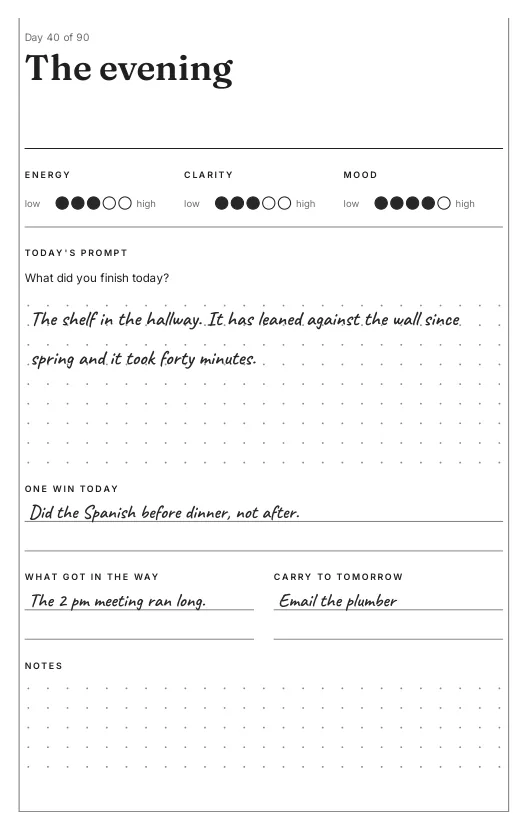
Why write it on paper: five practical reasons
Why a ninety-day journal is a printed book and not an app: a page with limits, no notifications, a record you can flip through, and an end in sight.
90 Day Journals
The article filed under Paper & practice on the 90 Day Journals blog.
In this topic
Sorted newest first
Why a ninety-day journal is a printed book and not an app: a page with limits, no notifications, a record you can flip through, and an end in sight.
Showing 1 of 1 article
Across the whole blog
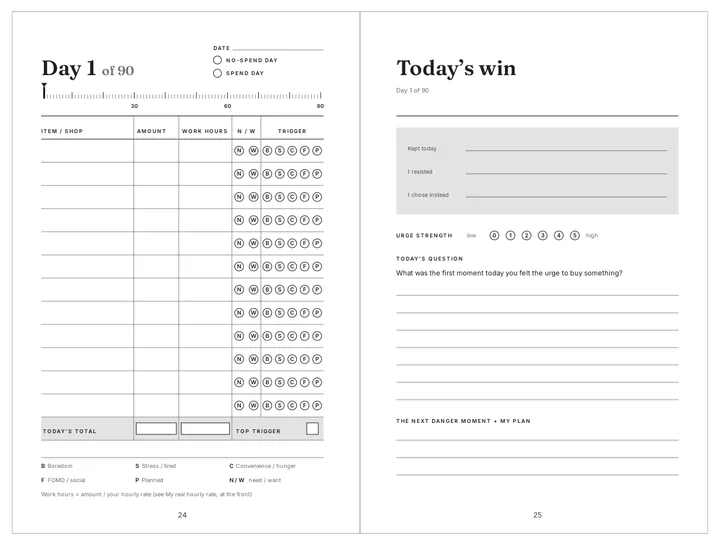
How The 90 Day No-Spend Journal structures ninety days: your own rules, a daily spending log, the 90-day path, weekly reviews and two checkpoints.
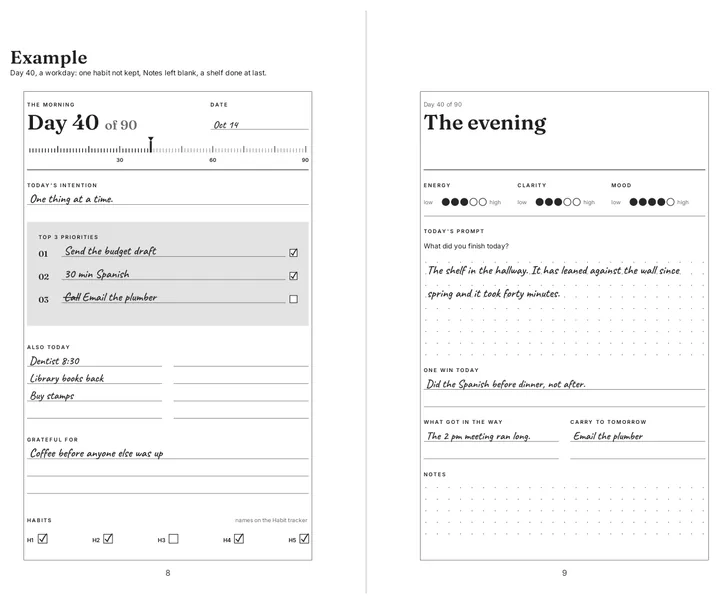
A plain walkthrough of a 90 day journal: the start pages, the daily spread, the weekly review, the checkpoints, and what to do when you miss a day.
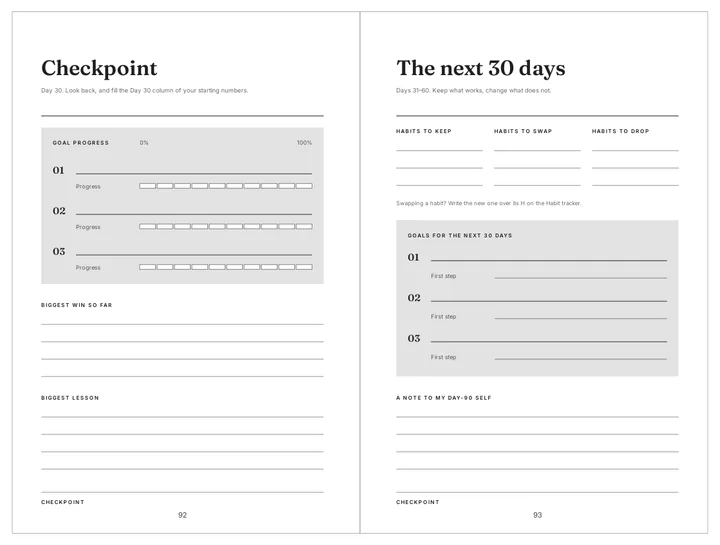
After day 30 the journal stops you for a checkpoint. What the two pages ask, a sensible order to fill them in, and how to keep, swap or drop a habit.
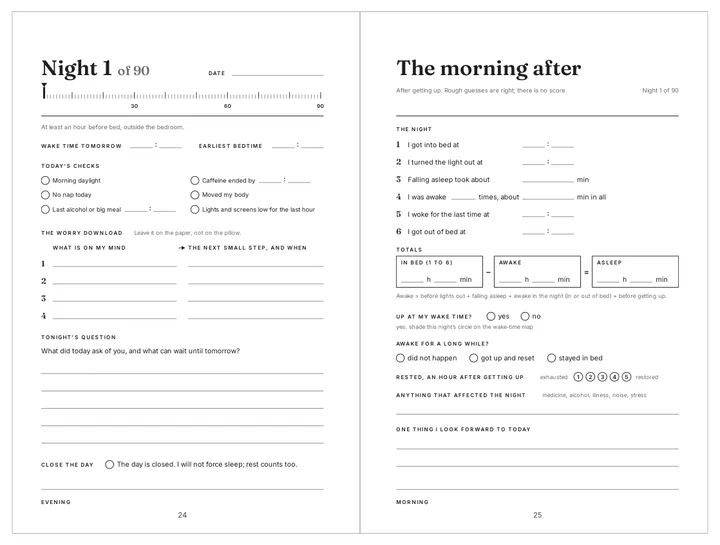
A tour of The 90 Day Sleep Reset Journal: the evening page, the two-minute morning log, the wake-time map and the weekly review. Not medical advice.
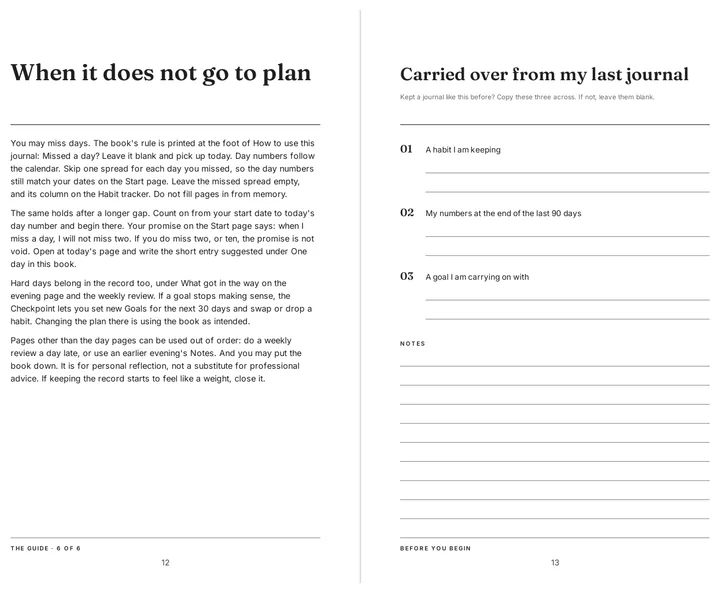
You will miss a day sooner or later. The journal's rule: leave it blank and pick up today. How the day numbers work, and what to write after a gap.
Why a ninety-day journal is a printed book and not an app: a page with limits, no notifications, a record you can flip through, and an end in sight.
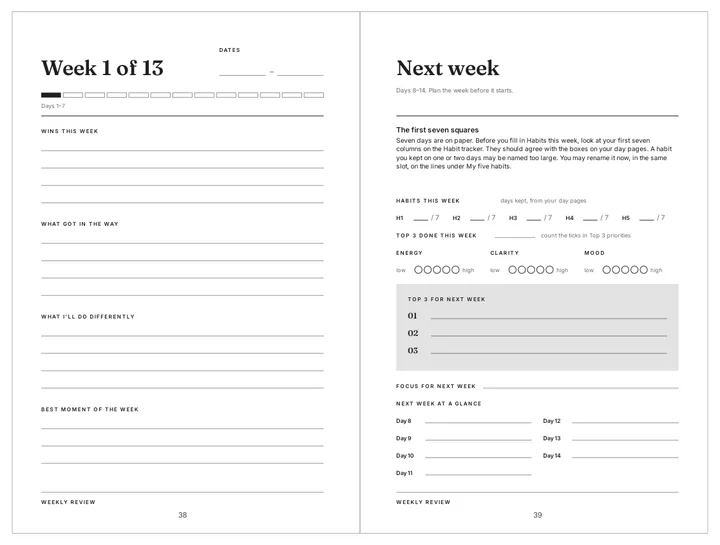
One day on paper says little. A weekly review puts seven days side by side. What to write, how long it takes, and how to turn it into one small change.
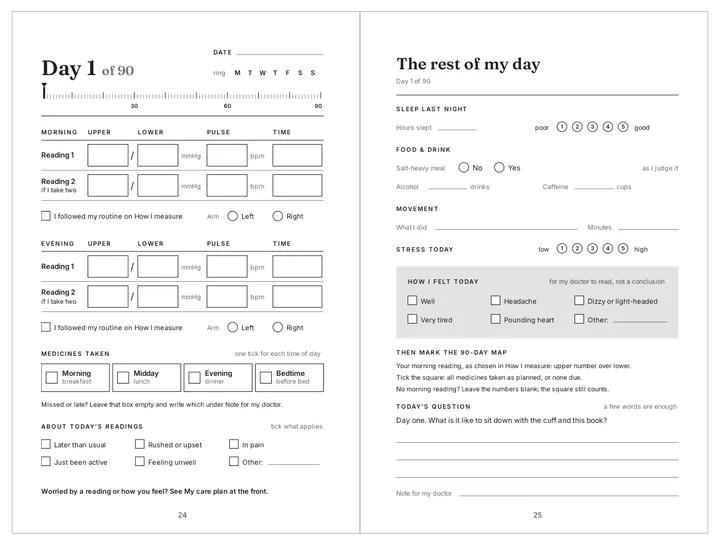
How a neutral written record of readings, medicines, how you felt and your questions can make an appointment easier. And what a journal does not do.
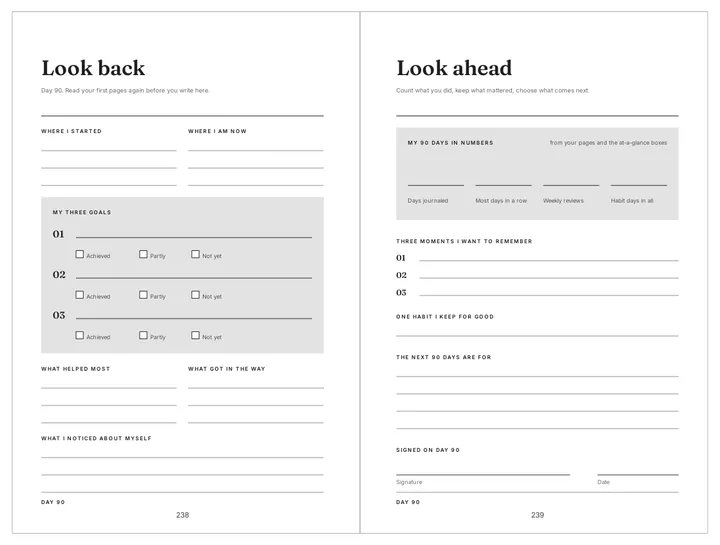
Choose three goals, write each so you know when it is done, plan a first step, and check in at day 30, day 60 and day 90. A simple 90-day method.
Newsletter
We will send an occasional email when a new journal comes out, with an unsubscribe link in every one.
An unsubscribe link in every email.
Reading series
From the first pages to the first missed day: how a journal is laid out, how to pick three goals, and why it is on paper.
The weekly review, the day-30 checkpoint and the day-90 look back: how to read what you wrote and change the plan.
How the layout changes when a journal has a purpose: a doctor's appointment, ninety nights of sleep, ninety days of spending.
The journals
Every article on this blog is written from the pages of a real journal. The series has 24 journals, each laid out for its own topic: goals, sleep, spending, focus, health and recovery.